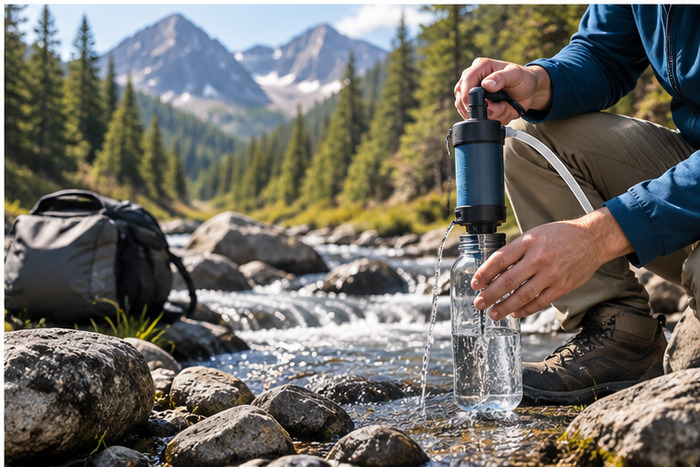
Cleaner water. A healthier you.

Trusted Reviews.
Cleaner Water.
Brighter Tomorrows.

Independent reviews, in-depth guides, local water information, and side-by-side comparisons to help you find the right treatment for your home and family.

โ—ˆUnbiased ReviewsIndependent research
โ—ŽReal-World UsePractical insights
๐Ÿ›’Amazon LinksCheck current pricing
โ—ŒLocal Water DataEPA-backed context

Top-rated systems

Popular Water Purification Systems

Compare treatment method, installation, capacity, strengths and current marketplace status.

View all systems โ†’
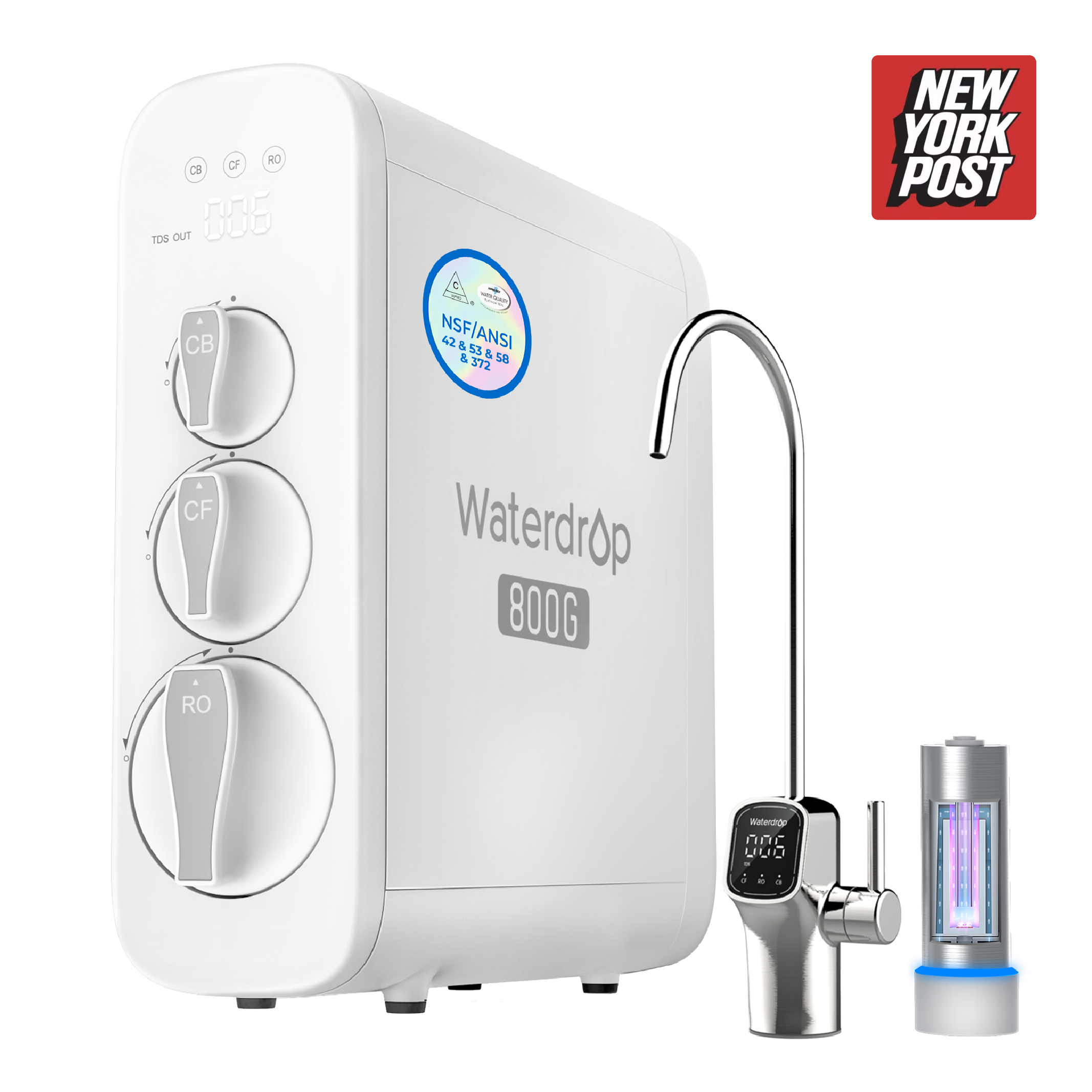
G3P800 Reverse Osmosis System
Under-sink RO9.2/10

G3P800 Reverse Osmosis System

Waterdrop ยท High-end

A premium tankless reverse-osmosis choice for households that want strong flow, a compact cabinet footprint, and a modern faucet display.

Best for
High-flow kitchens
Marketplace
Check current Amazon listing
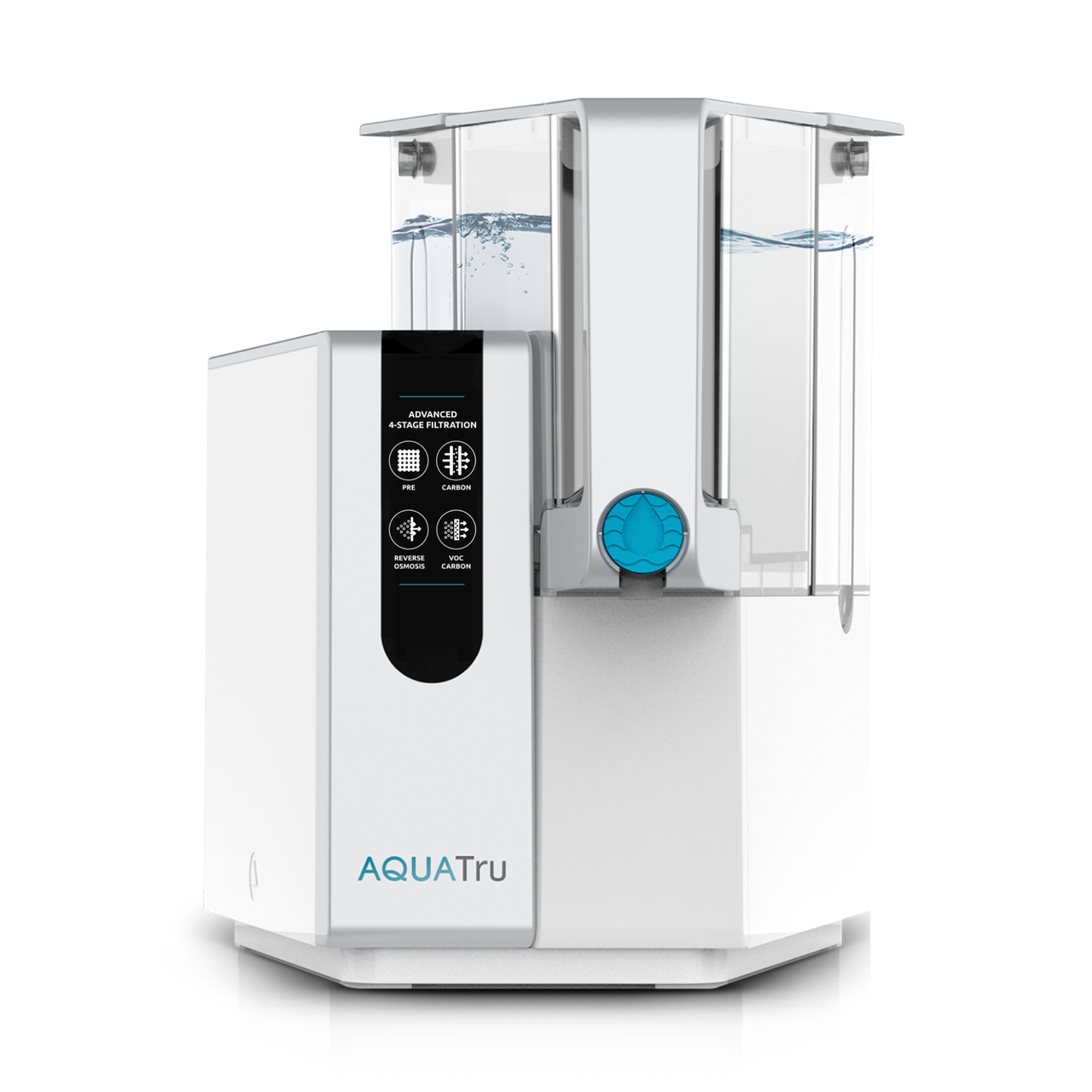
Classic Countertop Purifier
Countertop RO9.0/10

Classic Countertop Purifier

AquaTru ยท High-end

A countertop reverse-osmosis option for people who want strong purification without modifying plumbing.

Best for
Renters and no-plumbing setups
Marketplace
Check current Amazon listing
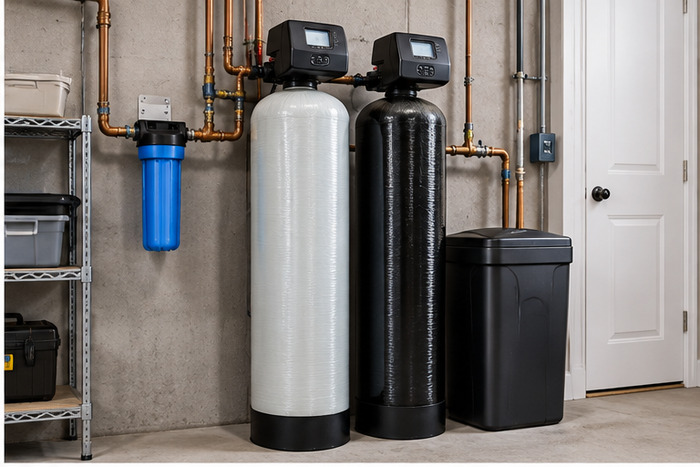
CF1 Whole House Water Filter
Whole house8.9/10

CF1 Whole House Water Filter

SpringWell ยท High-end

A point-of-entry approach for homeowners who want treated water at showers, sinks, laundry, and appliances rather than only at a drinking faucet.

Best for
Whole-home chlorine/chloramine treatment
Marketplace
Check current Amazon listing
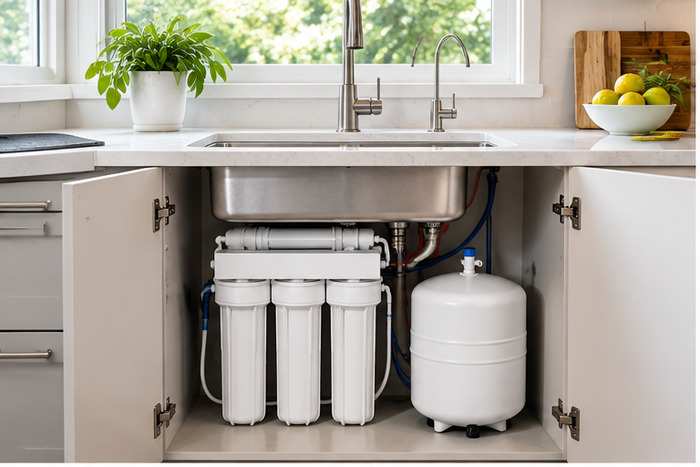
RCC7 5-Stage Reverse Osmosis System
Under-sink RO8.8/10

RCC7 5-Stage Reverse Osmosis System

iSpring ยท Value

A conventional under-sink RO layout that prioritizes proven simplicity, widely available replacement filters, and value.

Best for
Value-focused RO buyers
Marketplace
Check current Amazon listing
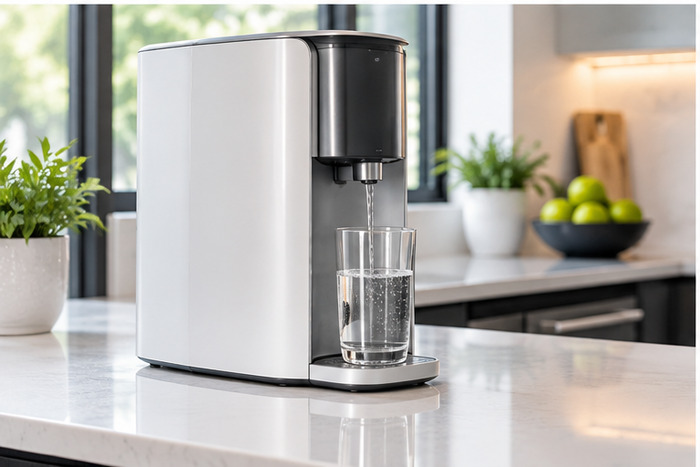
RO100ROPOT Countertop Reverse Osmosis System
Countertop RO8.8/10

RO100ROPOT Countertop Reverse Osmosis System

Bluevua ยท Premium

A plug-in countertop RO format that emphasizes easy setup, portability, and a glass clean-water carafe.

Best for
Apartment kitchens
Marketplace
Check current Amazon listing
ROES-50 Reverse Osmosis System
Under-sink RO8.7/10

ROES-50 Reverse Osmosis System

APEC Water Systems ยท Value

A straightforward traditional RO system for shoppers who prefer a familiar tank-based design and simple maintenance schedule.

Best for
Traditional RO buyers
Marketplace
Check current Amazon listing

Side-by-side overview

Compare water purification systems

Select 2, 3, or 4 systems above to see a detailed comparison snapshot before you browse more categories.

Feature
G3P800 Reverse Osmosis SystemG3P800 Reverse Osmosis SystemUnder-sink RO
Classic Countertop PurifierClassic Countertop PurifierCountertop RO
CF1 Whole House Water FilterCF1 Whole House Water FilterWhole house
RCC7 5-Stage Reverse Osmosis SystemRCC7 5-Stage Reverse Osmosis SystemUnder-sink RO
TypeUnder-sink ROCountertop ROWhole houseUnder-sink RO
Editorial Score9.2/109.0/108.9/108.8/10
Price TierHigh-endHigh-endHigh-endValue
Filtration StagesMulti-stage ROMulti-stage ROTank media system5-stage RO
Flow Rate800 GPDBatch countertopWhole-home75 GPD class
InstallationModerateEasyProfessional recommendedModerate
Best ForHigh-flow kitchensRenters and no-plumbing setupsWhole-home chlorine/chloramine treatmentValue-focused RO buyers
Contaminant TargetsTDS, lead, fluorideTDS, lead, fluoridechlorine, chloramine on applicable media, taste/odorTDS, lead, fluoride
AmazonView on AmazonView on AmazonView on AmazonView on Amazon
Our ReviewRead Review โ†’Read Review โ†’Read Review โ†’Read Review โ†’

What is in your water?

Find your local public water system

Search by city, county or ZIP code. We use EPA ECHO/SDWIS data to identify public water systems, show recent compliance context, source-water details, and an independently calculated Water Information Score.

The Water Information Score is not an official EPA safety rating. It summarizes selected compliance and data-completeness indicators.

Local Water ProfileEPA system data
  • Public water system & source type
  • Recent violation context
  • Population served
  • PFAS / CCR data modules
  • Treatment guidance by concern
Explore local water reports โ†’

Water purification explained

Start with your water, not the filter

Choosing a water purification system is easier when you begin with the problem you are trying to solve.

Read the complete guide โ†’

What does water purification mean?

Water purification is the process of reducing unwanted substances from water so it is more suitable for drinking or household use. In a home, that can mean something as simple as improving chlorine taste with activated carbon or as involved as using reverse osmosis to reduce a wider range of dissolved contaminants.

The important point is that different technologies solve different problems. A pitcher, faucet filter, under-sink carbon block, reverse osmosis system, whole-house filter, water softener and ultraviolet disinfection unit are not interchangeable. The right system depends on the source water, the contaminants of concern, how much water you want to treat and how much maintenance you are willing to manage.

Check your water quality first

For municipal water, start with your utility's Consumer Confidence Report and recent public-water-system information. Our local water lookup is designed to help identify the public system serving an area and organize recent EPA-reported context. If your home uses a private well, testing is especially important because private wells are not regulated in the same way as community water systems.

Testing or documented local data helps prevent overbuying. If the main issue is chlorine taste, a certified carbon filter may be enough. If a report or laboratory test points to lead, PFAS, nitrate, arsenic or another specific contaminant, treatment should be matched to an independently verified reduction claim for that contaminant.

01

Activated carbon

Common in pitchers, faucet filters, under-sink units and whole-house systems. Carbon is widely used for chlorine, taste and odor, and some products are certified for additional contaminants. Always check the exact model claim.

Water filter guide โ†’
02

Reverse osmosis

RO uses a membrane and multiple treatment stages to reduce many dissolved substances. It can be useful when the water concern includes several dissolved contaminants, but it costs more, requires maintenance and produces a reject-water stream.

Reverse osmosis guide โ†’
03

Whole-house filtration

A point-of-entry system treats water before it is distributed around the home. It is useful when the concern affects many taps, appliances or showers, but the media must be selected for the actual water problem.

Whole-house guide โ†’
04

Water softening

Softening is mainly about hardness minerals and scale. It is different from contaminant filtration. A home can need a softener, a filter, both, or neither depending on the water chemistry and household goals.

Water softener guide โ†’

Match treatment to the concern

What do you want to reduce?

Use the contaminant or water-quality issue as the starting point, then verify the exact certification and model performance.

How to choose a water purification system

Five questions to answer before you buy

Across leading water-filter and purification guides, the useful buying advice is remarkably consistent: identify the water problem, match the technology to it, verify independent evidence, understand installation and calculate the ongoing cost.

  1. What is actually in the water? Use a utility report, EPA data or a certified laboratory test rather than guessing from taste or appearance.
  2. Which treatment technology addresses that issue? Carbon, reverse osmosis, ion exchange, UV and softening all have different jobs.
  3. What does the exact certification cover? NSF/ANSI standards and other independent certifications apply to specific models and specific claims, not every product that uses the same technology.
  4. Can the system keep up with your household? Check flow rate, capacity, pressure requirements, storage, installation space and whether treatment is needed at one tap or throughout the home.
  5. What will it cost to own? Replacement cartridges, membranes, lamps, salt, wastewater, service and installation can matter more over five years than the purchase price alone.

Water purification FAQ

Questions people ask before choosing a filter

What is the best water purification system for a home?

There is no universal best system. For drinking water at one tap, an under-sink carbon filter or reverse osmosis system may be appropriate. For a concern affecting every outlet, a whole-house system may make more sense. The deciding factor should be your water data and the exact reduction claims of the system.

Is reverse osmosis better than a carbon filter?

It is more comprehensive for many dissolved contaminants, but that does not make it the right choice for every home. Carbon is simpler and often sufficient for chlorine, taste and odor. Reverse osmosis adds a membrane, more maintenance and wastewater, so it is most useful when its broader reduction capabilities are actually needed.

Do water filters remove hard water?

Most drinking-water filters do not soften water. Hardness comes mainly from calcium and magnesium. Ion-exchange water softeners are designed to address hardness, while filters are generally intended for particles, chemicals, taste, odor or particular contaminants.

How often should water filters be replaced?

Follow the manufacturer's rated capacity and replacement schedule for the exact cartridge or membrane. Actual life can change with water quality and use. A neglected filter can lose performance, reduce flow or create maintenance problems.

Should I test my water before buying a filter?

Testing is strongly recommended when you have a specific health-related concern, a private well, unusual taste or odor, a plumbing concern, or uncertainty about the source. Municipal customers can also start with their annual water-quality report and public-system records.

What is the difference between filtration and purification?

The terms overlap in consumer marketing. Filtration usually describes passing water through media or a membrane to reduce particular substances. Purification is a broader term that can include filtration, disinfection, distillation, reverse osmosis and other processes. What matters most is the documented performance of the exact system.

Explore by category

Guides for every water need

Find treatment guides and product comparisons without duplicate keyword pages.

View all categories โ†’
Hiker drinking clean water near a mountain lake

A healthier tomorrow starts today

Better Water Makes a Brighter Tomorrow

We combine product research, local water-system context, testing guidance and treatment education so you can make a more informed decision.

โ—Œ Healthier livingBetter-informed choicesโŒ‚ For your homeSolutions for every lifestyleโ—Ž A cleaner planetBuy only what you need

Buyer education

Understand the treatment before buying it