

What this guide covers
This category becomes much easier to compare when treatment goals, installation limits, and ongoing maintenance are separated. For deionized water, the central use case is removing dissolved ions with exchange resins for very low conductivity water. Common approaches include cation exchange, anion exchange, mixed-bed deionization, and RO pretreatment. Depending on the water source and exact equipment, relevant concerns can include dissolved ionic minerals, conductivity, and silica with appropriate resin design. That distinction matters because two systems that look similar can have very different treatment capabilities. A serious comparison should therefore examine feed-water TDS, resin capacity, conductivity target, regeneration or cartridge replacement, RO pretreatment, and intended use. The goal is to define the category clearly and show where it fits in a complete treatment plan. Treat customer ratings as ownership feedback, not as proof of contaminant removal. Before buying, write down the replacement schedule and current price of every consumable so the first three years can be compared on the same basis.
Home water treatment works best when the technology is chosen for a measured or documented condition instead of a broad promise of cleaner water. For deionized water, the central use case is removing dissolved ions with exchange resins for very low conductivity water. Common approaches include cation exchange, anion exchange, mixed-bed deionization, and RO pretreatment. Depending on the water source and exact equipment, relevant concerns can include dissolved ionic minerals, conductivity, and silica with appropriate resin design. It also prevents shoppers from paying for features that do not address the condition they actually have. A serious comparison should therefore examine feed-water TDS, resin capacity, conductivity target, regeneration or cartridge replacement, RO pretreatment, and intended use. In this part of the decision, the goal is to define the category clearly and show where it fits in a complete treatment plan. For contaminant-reduction claims, use the exact model number and confirm the relevant independent certification or performance documentation before purchase. Availability of replacement parts matters as much as the original machine because treatment performance declines when maintenance is delayed. For deionized water, a useful shortlist keeps the treatment objective visible beside the product specifications so convenience features do not crowd out performance questions.
How deionized water works
The practical question is not whether a system sounds advanced, but whether its treatment mechanism fits the water entering the home. For deionized water, the central use case is removing dissolved ions with exchange resins for very low conductivity water. Common approaches include cation exchange, anion exchange, mixed-bed deionization, and RO pretreatment. Depending on the water source and exact equipment, relevant concerns can include dissolved ionic minerals, conductivity, and silica with appropriate resin design. Once that is clear, capacity, maintenance, and ownership cost become much easier to evaluate. A serious comparison should therefore examine feed-water TDS, resin capacity, conductivity target, regeneration or cartridge replacement, RO pretreatment, and intended use. The mechanism matters because treatment performance comes from physical, chemical, biological, or membrane processes rather than marketing labels. A certification to one standard does not automatically mean that every possible contaminant covered somewhere in that standard is reduced by that product. Ownership cost includes replacement cartridges, membranes or media, sanitation, possible professional service, electricity where required, and any water sent to drain.
A useful way to approach this topic is to start with the water problem rather than the product label. For deionized water, the central use case is removing dissolved ions with exchange resins for very low conductivity water. Common approaches include cation exchange, anion exchange, mixed-bed deionization, and RO pretreatment. Depending on the water source and exact equipment, relevant concerns can include dissolved ionic minerals, conductivity, and silica with appropriate resin design. The next step is to verify the exact model rather than assuming every product in a family has the same certification. A serious comparison should therefore examine feed-water TDS, resin capacity, conductivity target, regeneration or cartridge replacement, RO pretreatment, and intended use. In this part of the decision, the mechanism matters because treatment performance comes from physical, chemical, biological, or membrane processes rather than marketing labels. Marketplace descriptions can change, so the current listing, manufacturer documentation, and certification database should agree on the model being considered. The purchase price is only the first line of the budget; consumables and service intervals often determine the better long-term value. For deionized water, a useful shortlist keeps the treatment objective visible beside the product specifications so convenience features do not crowd out performance questions.
Start with the source water
The strongest buying decision begins with source-water evidence, not the number of stages printed on a box. For deionized water, the central use case is removing dissolved ions with exchange resins for very low conductivity water. Common approaches include cation exchange, anion exchange, mixed-bed deionization, and RO pretreatment. Depending on the water source and exact equipment, relevant concerns can include dissolved ionic minerals, conductivity, and silica with appropriate resin design. This is especially important when a claim involves a health-related contaminant rather than taste, odor, or convenience. A serious comparison should therefore examine feed-water TDS, resin capacity, conductivity target, regeneration or cartridge replacement, RO pretreatment, and intended use. Municipal water, private wells, rainwater, and stored water can require different testing and treatment priorities. If the water issue has a health implication, laboratory testing and qualified professional advice can be more important than any online comparison. A lower-priced system can become expensive if cartridges have short life in the local water, while a higher-priced unit may be economical when media life is long and replacement parts are easy to source.
This category becomes much easier to compare when treatment goals, installation limits, and ongoing maintenance are separated. For deionized water, the central use case is removing dissolved ions with exchange resins for very low conductivity water. Common approaches include cation exchange, anion exchange, mixed-bed deionization, and RO pretreatment. Depending on the water source and exact equipment, relevant concerns can include dissolved ionic minerals, conductivity, and silica with appropriate resin design. That distinction matters because two systems that look similar can have very different treatment capabilities. A serious comparison should therefore examine feed-water TDS, resin capacity, conductivity target, regeneration or cartridge replacement, RO pretreatment, and intended use. In this part of the decision, municipal water, private wells, rainwater, and stored water can require different testing and treatment priorities. Treat customer ratings as ownership feedback, not as proof of contaminant removal. Before buying, write down the replacement schedule and current price of every consumable so the first three years can be compared on the same basis. For deionized water, a useful shortlist keeps the treatment objective visible beside the product specifications so convenience features do not crowd out performance questions.
Contaminants and conditions to consider
Home water treatment works best when the technology is chosen for a measured or documented condition instead of a broad promise of cleaner water. For deionized water, the central use case is removing dissolved ions with exchange resins for very low conductivity water. Common approaches include cation exchange, anion exchange, mixed-bed deionization, and RO pretreatment. Depending on the water source and exact equipment, relevant concerns can include dissolved ionic minerals, conductivity, and silica with appropriate resin design. It also prevents shoppers from paying for features that do not address the condition they actually have. A serious comparison should therefore examine feed-water TDS, resin capacity, conductivity target, regeneration or cartridge replacement, RO pretreatment, and intended use. The important conditions for this topic include dissolved ionic minerals, conductivity, silica with appropriate resin design. For contaminant-reduction claims, use the exact model number and confirm the relevant independent certification or performance documentation before purchase. Availability of replacement parts matters as much as the original machine because treatment performance declines when maintenance is delayed.
The practical question is not whether a system sounds advanced, but whether its treatment mechanism fits the water entering the home. For deionized water, the central use case is removing dissolved ions with exchange resins for very low conductivity water. Common approaches include cation exchange, anion exchange, mixed-bed deionization, and RO pretreatment. Depending on the water source and exact equipment, relevant concerns can include dissolved ionic minerals, conductivity, and silica with appropriate resin design. Once that is clear, capacity, maintenance, and ownership cost become much easier to evaluate. A serious comparison should therefore examine feed-water TDS, resin capacity, conductivity target, regeneration or cartridge replacement, RO pretreatment, and intended use. In this part of the decision, the important conditions for this topic include dissolved ionic minerals, conductivity, silica with appropriate resin design. A certification to one standard does not automatically mean that every possible contaminant covered somewhere in that standard is reduced by that product. Ownership cost includes replacement cartridges, membranes or media, sanitation, possible professional service, electricity where required, and any water sent to drain. For deionized water, a useful shortlist keeps the treatment objective visible beside the product specifications so convenience features do not crowd out performance questions.
Treatment methods compared
A useful way to approach this topic is to start with the water problem rather than the product label. For deionized water, the central use case is removing dissolved ions with exchange resins for very low conductivity water. Common approaches include cation exchange, anion exchange, mixed-bed deionization, and RO pretreatment. Depending on the water source and exact equipment, relevant concerns can include dissolved ionic minerals, conductivity, and silica with appropriate resin design. The next step is to verify the exact model rather than assuming every product in a family has the same certification. A serious comparison should therefore examine feed-water TDS, resin capacity, conductivity target, regeneration or cartridge replacement, RO pretreatment, and intended use. The main methods in this category are cation exchange, anion exchange, mixed-bed deionization, RO pretreatment. Marketplace descriptions can change, so the current listing, manufacturer documentation, and certification database should agree on the model being considered. The purchase price is only the first line of the budget; consumables and service intervals often determine the better long-term value.
The strongest buying decision begins with source-water evidence, not the number of stages printed on a box. For deionized water, the central use case is removing dissolved ions with exchange resins for very low conductivity water. Common approaches include cation exchange, anion exchange, mixed-bed deionization, and RO pretreatment. Depending on the water source and exact equipment, relevant concerns can include dissolved ionic minerals, conductivity, and silica with appropriate resin design. This is especially important when a claim involves a health-related contaminant rather than taste, odor, or convenience. A serious comparison should therefore examine feed-water TDS, resin capacity, conductivity target, regeneration or cartridge replacement, RO pretreatment, and intended use. In this part of the decision, the main methods in this category are cation exchange, anion exchange, mixed-bed deionization, ro pretreatment. If the water issue has a health implication, laboratory testing and qualified professional advice can be more important than any online comparison. A lower-priced system can become expensive if cartridges have short life in the local water, while a higher-priced unit may be economical when media life is long and replacement parts are easy to source. For deionized water, a useful shortlist keeps the treatment objective visible beside the product specifications so convenience features do not crowd out performance questions.
Testing before treatment
This category becomes much easier to compare when treatment goals, installation limits, and ongoing maintenance are separated. For deionized water, the central use case is removing dissolved ions with exchange resins for very low conductivity water. Common approaches include cation exchange, anion exchange, mixed-bed deionization, and RO pretreatment. Depending on the water source and exact equipment, relevant concerns can include dissolved ionic minerals, conductivity, and silica with appropriate resin design. That distinction matters because two systems that look similar can have very different treatment capabilities. A serious comparison should therefore examine feed-water TDS, resin capacity, conductivity target, regeneration or cartridge replacement, RO pretreatment, and intended use. Testing helps separate a known problem from a suspected one and prevents unnecessary equipment purchases. Treat customer ratings as ownership feedback, not as proof of contaminant removal. Before buying, write down the replacement schedule and current price of every consumable so the first three years can be compared on the same basis.
Home water treatment works best when the technology is chosen for a measured or documented condition instead of a broad promise of cleaner water. For deionized water, the central use case is removing dissolved ions with exchange resins for very low conductivity water. Common approaches include cation exchange, anion exchange, mixed-bed deionization, and RO pretreatment. Depending on the water source and exact equipment, relevant concerns can include dissolved ionic minerals, conductivity, and silica with appropriate resin design. It also prevents shoppers from paying for features that do not address the condition they actually have. A serious comparison should therefore examine feed-water TDS, resin capacity, conductivity target, regeneration or cartridge replacement, RO pretreatment, and intended use. In this part of the decision, testing helps separate a known problem from a suspected one and prevents unnecessary equipment purchases. For contaminant-reduction claims, use the exact model number and confirm the relevant independent certification or performance documentation before purchase. Availability of replacement parts matters as much as the original machine because treatment performance declines when maintenance is delayed. For deionized water, a useful shortlist keeps the treatment objective visible beside the product specifications so convenience features do not crowd out performance questions.
Understanding certifications
The practical question is not whether a system sounds advanced, but whether its treatment mechanism fits the water entering the home. For deionized water, the central use case is removing dissolved ions with exchange resins for very low conductivity water. Common approaches include cation exchange, anion exchange, mixed-bed deionization, and RO pretreatment. Depending on the water source and exact equipment, relevant concerns can include dissolved ionic minerals, conductivity, and silica with appropriate resin design. Once that is clear, capacity, maintenance, and ownership cost become much easier to evaluate. A serious comparison should therefore examine feed-water TDS, resin capacity, conductivity target, regeneration or cartridge replacement, RO pretreatment, and intended use. Independent standards are most useful when the exact model and exact reduction claim are verified. A certification to one standard does not automatically mean that every possible contaminant covered somewhere in that standard is reduced by that product. Ownership cost includes replacement cartridges, membranes or media, sanitation, possible professional service, electricity where required, and any water sent to drain.
A useful way to approach this topic is to start with the water problem rather than the product label. For deionized water, the central use case is removing dissolved ions with exchange resins for very low conductivity water. Common approaches include cation exchange, anion exchange, mixed-bed deionization, and RO pretreatment. Depending on the water source and exact equipment, relevant concerns can include dissolved ionic minerals, conductivity, and silica with appropriate resin design. The next step is to verify the exact model rather than assuming every product in a family has the same certification. A serious comparison should therefore examine feed-water TDS, resin capacity, conductivity target, regeneration or cartridge replacement, RO pretreatment, and intended use. In this part of the decision, independent standards are most useful when the exact model and exact reduction claim are verified. Marketplace descriptions can change, so the current listing, manufacturer documentation, and certification database should agree on the model being considered. The purchase price is only the first line of the budget; consumables and service intervals often determine the better long-term value. For deionized water, a useful shortlist keeps the treatment objective visible beside the product specifications so convenience features do not crowd out performance questions.
Sizing and capacity
The strongest buying decision begins with source-water evidence, not the number of stages printed on a box. For deionized water, the central use case is removing dissolved ions with exchange resins for very low conductivity water. Common approaches include cation exchange, anion exchange, mixed-bed deionization, and RO pretreatment. Depending on the water source and exact equipment, relevant concerns can include dissolved ionic minerals, conductivity, and silica with appropriate resin design. This is especially important when a claim involves a health-related contaminant rather than taste, odor, or convenience. A serious comparison should therefore examine feed-water TDS, resin capacity, conductivity target, regeneration or cartridge replacement, RO pretreatment, and intended use. Capacity should be matched to peak demand, source-water loading, and the manufacturer's operating envelope. If the water issue has a health implication, laboratory testing and qualified professional advice can be more important than any online comparison. A lower-priced system can become expensive if cartridges have short life in the local water, while a higher-priced unit may be economical when media life is long and replacement parts are easy to source.
This category becomes much easier to compare when treatment goals, installation limits, and ongoing maintenance are separated. For deionized water, the central use case is removing dissolved ions with exchange resins for very low conductivity water. Common approaches include cation exchange, anion exchange, mixed-bed deionization, and RO pretreatment. Depending on the water source and exact equipment, relevant concerns can include dissolved ionic minerals, conductivity, and silica with appropriate resin design. That distinction matters because two systems that look similar can have very different treatment capabilities. A serious comparison should therefore examine feed-water TDS, resin capacity, conductivity target, regeneration or cartridge replacement, RO pretreatment, and intended use. In this part of the decision, capacity should be matched to peak demand, source-water loading, and the manufacturer's operating envelope. Treat customer ratings as ownership feedback, not as proof of contaminant removal. Before buying, write down the replacement schedule and current price of every consumable so the first three years can be compared on the same basis. For deionized water, a useful shortlist keeps the treatment objective visible beside the product specifications so convenience features do not crowd out performance questions.
Installation and plumbing
Home water treatment works best when the technology is chosen for a measured or documented condition instead of a broad promise of cleaner water. For deionized water, the central use case is removing dissolved ions with exchange resins for very low conductivity water. Common approaches include cation exchange, anion exchange, mixed-bed deionization, and RO pretreatment. Depending on the water source and exact equipment, relevant concerns can include dissolved ionic minerals, conductivity, and silica with appropriate resin design. It also prevents shoppers from paying for features that do not address the condition they actually have. A serious comparison should therefore examine feed-water TDS, resin capacity, conductivity target, regeneration or cartridge replacement, RO pretreatment, and intended use. Installation affects pressure, bypass arrangements, drains, electrical requirements, and future service access. For contaminant-reduction claims, use the exact model number and confirm the relevant independent certification or performance documentation before purchase. Availability of replacement parts matters as much as the original machine because treatment performance declines when maintenance is delayed.
The practical question is not whether a system sounds advanced, but whether its treatment mechanism fits the water entering the home. For deionized water, the central use case is removing dissolved ions with exchange resins for very low conductivity water. Common approaches include cation exchange, anion exchange, mixed-bed deionization, and RO pretreatment. Depending on the water source and exact equipment, relevant concerns can include dissolved ionic minerals, conductivity, and silica with appropriate resin design. Once that is clear, capacity, maintenance, and ownership cost become much easier to evaluate. A serious comparison should therefore examine feed-water TDS, resin capacity, conductivity target, regeneration or cartridge replacement, RO pretreatment, and intended use. In this part of the decision, installation affects pressure, bypass arrangements, drains, electrical requirements, and future service access. A certification to one standard does not automatically mean that every possible contaminant covered somewhere in that standard is reduced by that product. Ownership cost includes replacement cartridges, membranes or media, sanitation, possible professional service, electricity where required, and any water sent to drain. For deionized water, a useful shortlist keeps the treatment objective visible beside the product specifications so convenience features do not crowd out performance questions.
Maintenance and filter replacement
A useful way to approach this topic is to start with the water problem rather than the product label. For deionized water, the central use case is removing dissolved ions with exchange resins for very low conductivity water. Common approaches include cation exchange, anion exchange, mixed-bed deionization, and RO pretreatment. Depending on the water source and exact equipment, relevant concerns can include dissolved ionic minerals, conductivity, and silica with appropriate resin design. The next step is to verify the exact model rather than assuming every product in a family has the same certification. A serious comparison should therefore examine feed-water TDS, resin capacity, conductivity target, regeneration or cartridge replacement, RO pretreatment, and intended use. A treatment system only performs as intended when cartridges, media, membranes, lamps, or regenerant are serviced on schedule. Marketplace descriptions can change, so the current listing, manufacturer documentation, and certification database should agree on the model being considered. The purchase price is only the first line of the budget; consumables and service intervals often determine the better long-term value.
The strongest buying decision begins with source-water evidence, not the number of stages printed on a box. For deionized water, the central use case is removing dissolved ions with exchange resins for very low conductivity water. Common approaches include cation exchange, anion exchange, mixed-bed deionization, and RO pretreatment. Depending on the water source and exact equipment, relevant concerns can include dissolved ionic minerals, conductivity, and silica with appropriate resin design. This is especially important when a claim involves a health-related contaminant rather than taste, odor, or convenience. A serious comparison should therefore examine feed-water TDS, resin capacity, conductivity target, regeneration or cartridge replacement, RO pretreatment, and intended use. In this part of the decision, a treatment system only performs as intended when cartridges, media, membranes, lamps, or regenerant are serviced on schedule. If the water issue has a health implication, laboratory testing and qualified professional advice can be more important than any online comparison. A lower-priced system can become expensive if cartridges have short life in the local water, while a higher-priced unit may be economical when media life is long and replacement parts are easy to source. For deionized water, a useful shortlist keeps the treatment objective visible beside the product specifications so convenience features do not crowd out performance questions.
Three-year ownership cost
This category becomes much easier to compare when treatment goals, installation limits, and ongoing maintenance are separated. For deionized water, the central use case is removing dissolved ions with exchange resins for very low conductivity water. Common approaches include cation exchange, anion exchange, mixed-bed deionization, and RO pretreatment. Depending on the water source and exact equipment, relevant concerns can include dissolved ionic minerals, conductivity, and silica with appropriate resin design. That distinction matters because two systems that look similar can have very different treatment capabilities. A serious comparison should therefore examine feed-water TDS, resin capacity, conductivity target, regeneration or cartridge replacement, RO pretreatment, and intended use. A realistic cost comparison includes consumables, water, electricity, salt, professional service, and replacement parts. Treat customer ratings as ownership feedback, not as proof of contaminant removal. Before buying, write down the replacement schedule and current price of every consumable so the first three years can be compared on the same basis.
Home water treatment works best when the technology is chosen for a measured or documented condition instead of a broad promise of cleaner water. For deionized water, the central use case is removing dissolved ions with exchange resins for very low conductivity water. Common approaches include cation exchange, anion exchange, mixed-bed deionization, and RO pretreatment. Depending on the water source and exact equipment, relevant concerns can include dissolved ionic minerals, conductivity, and silica with appropriate resin design. It also prevents shoppers from paying for features that do not address the condition they actually have. A serious comparison should therefore examine feed-water TDS, resin capacity, conductivity target, regeneration or cartridge replacement, RO pretreatment, and intended use. In this part of the decision, a realistic cost comparison includes consumables, water, electricity, salt, professional service, and replacement parts. For contaminant-reduction claims, use the exact model number and confirm the relevant independent certification or performance documentation before purchase. Availability of replacement parts matters as much as the original machine because treatment performance declines when maintenance is delayed. For deionized water, a useful shortlist keeps the treatment objective visible beside the product specifications so convenience features do not crowd out performance questions.
How to compare products
The practical question is not whether a system sounds advanced, but whether its treatment mechanism fits the water entering the home. For deionized water, the central use case is removing dissolved ions with exchange resins for very low conductivity water. Common approaches include cation exchange, anion exchange, mixed-bed deionization, and RO pretreatment. Depending on the water source and exact equipment, relevant concerns can include dissolved ionic minerals, conductivity, and silica with appropriate resin design. Once that is clear, capacity, maintenance, and ownership cost become much easier to evaluate. A serious comparison should therefore examine feed-water TDS, resin capacity, conductivity target, regeneration or cartridge replacement, RO pretreatment, and intended use. Compare products against the same treatment target instead of mixing unlike technologies in one ranking. A certification to one standard does not automatically mean that every possible contaminant covered somewhere in that standard is reduced by that product. Ownership cost includes replacement cartridges, membranes or media, sanitation, possible professional service, electricity where required, and any water sent to drain.
A useful way to approach this topic is to start with the water problem rather than the product label. For deionized water, the central use case is removing dissolved ions with exchange resins for very low conductivity water. Common approaches include cation exchange, anion exchange, mixed-bed deionization, and RO pretreatment. Depending on the water source and exact equipment, relevant concerns can include dissolved ionic minerals, conductivity, and silica with appropriate resin design. The next step is to verify the exact model rather than assuming every product in a family has the same certification. A serious comparison should therefore examine feed-water TDS, resin capacity, conductivity target, regeneration or cartridge replacement, RO pretreatment, and intended use. In this part of the decision, compare products against the same treatment target instead of mixing unlike technologies in one ranking. Marketplace descriptions can change, so the current listing, manufacturer documentation, and certification database should agree on the model being considered. The purchase price is only the first line of the budget; consumables and service intervals often determine the better long-term value. For deionized water, a useful shortlist keeps the treatment objective visible beside the product specifications so convenience features do not crowd out performance questions.
Common mistakes to avoid
The strongest buying decision begins with source-water evidence, not the number of stages printed on a box. For deionized water, the central use case is removing dissolved ions with exchange resins for very low conductivity water. Common approaches include cation exchange, anion exchange, mixed-bed deionization, and RO pretreatment. Depending on the water source and exact equipment, relevant concerns can include dissolved ionic minerals, conductivity, and silica with appropriate resin design. This is especially important when a claim involves a health-related contaminant rather than taste, odor, or convenience. A serious comparison should therefore examine feed-water TDS, resin capacity, conductivity target, regeneration or cartridge replacement, RO pretreatment, and intended use. Typical mistakes include buying before testing, assuming more stages are always better, and ignoring replacement availability. If the water issue has a health implication, laboratory testing and qualified professional advice can be more important than any online comparison. A lower-priced system can become expensive if cartridges have short life in the local water, while a higher-priced unit may be economical when media life is long and replacement parts are easy to source.
This category becomes much easier to compare when treatment goals, installation limits, and ongoing maintenance are separated. For deionized water, the central use case is removing dissolved ions with exchange resins for very low conductivity water. Common approaches include cation exchange, anion exchange, mixed-bed deionization, and RO pretreatment. Depending on the water source and exact equipment, relevant concerns can include dissolved ionic minerals, conductivity, and silica with appropriate resin design. That distinction matters because two systems that look similar can have very different treatment capabilities. A serious comparison should therefore examine feed-water TDS, resin capacity, conductivity target, regeneration or cartridge replacement, RO pretreatment, and intended use. In this part of the decision, typical mistakes include buying before testing, assuming more stages are always better, and ignoring replacement availability. Treat customer ratings as ownership feedback, not as proof of contaminant removal. Before buying, write down the replacement schedule and current price of every consumable so the first three years can be compared on the same basis. For deionized water, a useful shortlist keeps the treatment objective visible beside the product specifications so convenience features do not crowd out performance questions.
Municipal water considerations
Home water treatment works best when the technology is chosen for a measured or documented condition instead of a broad promise of cleaner water. For deionized water, the central use case is removing dissolved ions with exchange resins for very low conductivity water. Common approaches include cation exchange, anion exchange, mixed-bed deionization, and RO pretreatment. Depending on the water source and exact equipment, relevant concerns can include dissolved ionic minerals, conductivity, and silica with appropriate resin design. It also prevents shoppers from paying for features that do not address the condition they actually have. A serious comparison should therefore examine feed-water TDS, resin capacity, conductivity target, regeneration or cartridge replacement, RO pretreatment, and intended use. For public water, the utility report is a starting point, while household plumbing can introduce additional issues such as lead. For contaminant-reduction claims, use the exact model number and confirm the relevant independent certification or performance documentation before purchase. Availability of replacement parts matters as much as the original machine because treatment performance declines when maintenance is delayed.
The practical question is not whether a system sounds advanced, but whether its treatment mechanism fits the water entering the home. For deionized water, the central use case is removing dissolved ions with exchange resins for very low conductivity water. Common approaches include cation exchange, anion exchange, mixed-bed deionization, and RO pretreatment. Depending on the water source and exact equipment, relevant concerns can include dissolved ionic minerals, conductivity, and silica with appropriate resin design. Once that is clear, capacity, maintenance, and ownership cost become much easier to evaluate. A serious comparison should therefore examine feed-water TDS, resin capacity, conductivity target, regeneration or cartridge replacement, RO pretreatment, and intended use. In this part of the decision, for public water, the utility report is a starting point, while household plumbing can introduce additional issues such as lead. A certification to one standard does not automatically mean that every possible contaminant covered somewhere in that standard is reduced by that product. Ownership cost includes replacement cartridges, membranes or media, sanitation, possible professional service, electricity where required, and any water sent to drain. For deionized water, a useful shortlist keeps the treatment objective visible beside the product specifications so convenience features do not crowd out performance questions.
Private well considerations
A useful way to approach this topic is to start with the water problem rather than the product label. For deionized water, the central use case is removing dissolved ions with exchange resins for very low conductivity water. Common approaches include cation exchange, anion exchange, mixed-bed deionization, and RO pretreatment. Depending on the water source and exact equipment, relevant concerns can include dissolved ionic minerals, conductivity, and silica with appropriate resin design. The next step is to verify the exact model rather than assuming every product in a family has the same certification. A serious comparison should therefore examine feed-water TDS, resin capacity, conductivity target, regeneration or cartridge replacement, RO pretreatment, and intended use. Private wells need owner-managed testing and may have changing chemistry that affects treatment selection and maintenance. Marketplace descriptions can change, so the current listing, manufacturer documentation, and certification database should agree on the model being considered. The purchase price is only the first line of the budget; consumables and service intervals often determine the better long-term value.
The strongest buying decision begins with source-water evidence, not the number of stages printed on a box. For deionized water, the central use case is removing dissolved ions with exchange resins for very low conductivity water. Common approaches include cation exchange, anion exchange, mixed-bed deionization, and RO pretreatment. Depending on the water source and exact equipment, relevant concerns can include dissolved ionic minerals, conductivity, and silica with appropriate resin design. This is especially important when a claim involves a health-related contaminant rather than taste, odor, or convenience. A serious comparison should therefore examine feed-water TDS, resin capacity, conductivity target, regeneration or cartridge replacement, RO pretreatment, and intended use. In this part of the decision, private wells need owner-managed testing and may have changing chemistry that affects treatment selection and maintenance. If the water issue has a health implication, laboratory testing and qualified professional advice can be more important than any online comparison. A lower-priced system can become expensive if cartridges have short life in the local water, while a higher-priced unit may be economical when media life is long and replacement parts are easy to source. For deionized water, a useful shortlist keeps the treatment objective visible beside the product specifications so convenience features do not crowd out performance questions.
When professional help makes sense
This category becomes much easier to compare when treatment goals, installation limits, and ongoing maintenance are separated. For deionized water, the central use case is removing dissolved ions with exchange resins for very low conductivity water. Common approaches include cation exchange, anion exchange, mixed-bed deionization, and RO pretreatment. Depending on the water source and exact equipment, relevant concerns can include dissolved ionic minerals, conductivity, and silica with appropriate resin design. That distinction matters because two systems that look similar can have very different treatment capabilities. A serious comparison should therefore examine feed-water TDS, resin capacity, conductivity target, regeneration or cartridge replacement, RO pretreatment, and intended use. Complex water chemistry, health-related contaminants, whole-house plumbing, and repeated treatment failure justify professional input. Treat customer ratings as ownership feedback, not as proof of contaminant removal. Before buying, write down the replacement schedule and current price of every consumable so the first three years can be compared on the same basis.
Home water treatment works best when the technology is chosen for a measured or documented condition instead of a broad promise of cleaner water. For deionized water, the central use case is removing dissolved ions with exchange resins for very low conductivity water. Common approaches include cation exchange, anion exchange, mixed-bed deionization, and RO pretreatment. Depending on the water source and exact equipment, relevant concerns can include dissolved ionic minerals, conductivity, and silica with appropriate resin design. It also prevents shoppers from paying for features that do not address the condition they actually have. A serious comparison should therefore examine feed-water TDS, resin capacity, conductivity target, regeneration or cartridge replacement, RO pretreatment, and intended use. In this part of the decision, complex water chemistry, health-related contaminants, whole-house plumbing, and repeated treatment failure justify professional input. For contaminant-reduction claims, use the exact model number and confirm the relevant independent certification or performance documentation before purchase. Availability of replacement parts matters as much as the original machine because treatment performance declines when maintenance is delayed. For deionized water, a useful shortlist keeps the treatment objective visible beside the product specifications so convenience features do not crowd out performance questions.
A practical buying checklist
The practical question is not whether a system sounds advanced, but whether its treatment mechanism fits the water entering the home. For deionized water, the central use case is removing dissolved ions with exchange resins for very low conductivity water. Common approaches include cation exchange, anion exchange, mixed-bed deionization, and RO pretreatment. Depending on the water source and exact equipment, relevant concerns can include dissolved ionic minerals, conductivity, and silica with appropriate resin design. Once that is clear, capacity, maintenance, and ownership cost become much easier to evaluate. A serious comparison should therefore examine feed-water TDS, resin capacity, conductivity target, regeneration or cartridge replacement, RO pretreatment, and intended use. Write down the contaminant target, required flow, installation constraints, maintenance budget, and certification evidence before choosing a model. A certification to one standard does not automatically mean that every possible contaminant covered somewhere in that standard is reduced by that product. Ownership cost includes replacement cartridges, membranes or media, sanitation, possible professional service, electricity where required, and any water sent to drain.
A useful way to approach this topic is to start with the water problem rather than the product label. For deionized water, the central use case is removing dissolved ions with exchange resins for very low conductivity water. Common approaches include cation exchange, anion exchange, mixed-bed deionization, and RO pretreatment. Depending on the water source and exact equipment, relevant concerns can include dissolved ionic minerals, conductivity, and silica with appropriate resin design. The next step is to verify the exact model rather than assuming every product in a family has the same certification. A serious comparison should therefore examine feed-water TDS, resin capacity, conductivity target, regeneration or cartridge replacement, RO pretreatment, and intended use. In this part of the decision, write down the contaminant target, required flow, installation constraints, maintenance budget, and certification evidence before choosing a model. Marketplace descriptions can change, so the current listing, manufacturer documentation, and certification database should agree on the model being considered. The purchase price is only the first line of the budget; consumables and service intervals often determine the better long-term value. For deionized water, a useful shortlist keeps the treatment objective visible beside the product specifications so convenience features do not crowd out performance questions.
How this site evaluates products
The strongest buying decision begins with source-water evidence, not the number of stages printed on a box. For deionized water, the central use case is removing dissolved ions with exchange resins for very low conductivity water. Common approaches include cation exchange, anion exchange, mixed-bed deionization, and RO pretreatment. Depending on the water source and exact equipment, relevant concerns can include dissolved ionic minerals, conductivity, and silica with appropriate resin design. This is especially important when a claim involves a health-related contaminant rather than taste, odor, or convenience. A serious comparison should therefore examine feed-water TDS, resin capacity, conductivity target, regeneration or cartridge replacement, RO pretreatment, and intended use. Editorial assessment, Amazon availability, and Amazon customer-rating thresholds are kept as separate signals. If the water issue has a health implication, laboratory testing and qualified professional advice can be more important than any online comparison. A lower-priced system can become expensive if cartridges have short life in the local water, while a higher-priced unit may be economical when media life is long and replacement parts are easy to source.
This category becomes much easier to compare when treatment goals, installation limits, and ongoing maintenance are separated. For deionized water, the central use case is removing dissolved ions with exchange resins for very low conductivity water. Common approaches include cation exchange, anion exchange, mixed-bed deionization, and RO pretreatment. Depending on the water source and exact equipment, relevant concerns can include dissolved ionic minerals, conductivity, and silica with appropriate resin design. That distinction matters because two systems that look similar can have very different treatment capabilities. A serious comparison should therefore examine feed-water TDS, resin capacity, conductivity target, regeneration or cartridge replacement, RO pretreatment, and intended use. In this part of the decision, editorial assessment, amazon availability, and amazon customer-rating thresholds are kept as separate signals. Treat customer ratings as ownership feedback, not as proof of contaminant removal. Before buying, write down the replacement schedule and current price of every consumable so the first three years can be compared on the same basis. For deionized water, a useful shortlist keeps the treatment objective visible beside the product specifications so convenience features do not crowd out performance questions.
Technology comparison for deionized water
For deionized water, the table below keeps the treatment mechanism, intended use, and verification step together. It is a starting framework rather than a substitute for model-specific performance data.
| Approach | Why it may be used | Key comparison point | Verification step |
|---|---|---|---|
| cation exchange | dissolved ionic minerals | feed-water TDS | Confirm exact certification and capacity |
| anion exchange | conductivity | resin capacity | Check maintenance and source-water limits |
| mixed-bed deionization | silica with appropriate resin design | conductivity target | Verify installation and operating conditions |
| RO pretreatment | dissolved ionic minerals | regeneration or cartridge replacement | Confirm exact certification and capacity |
Reviewed systems
Products related to deionized water
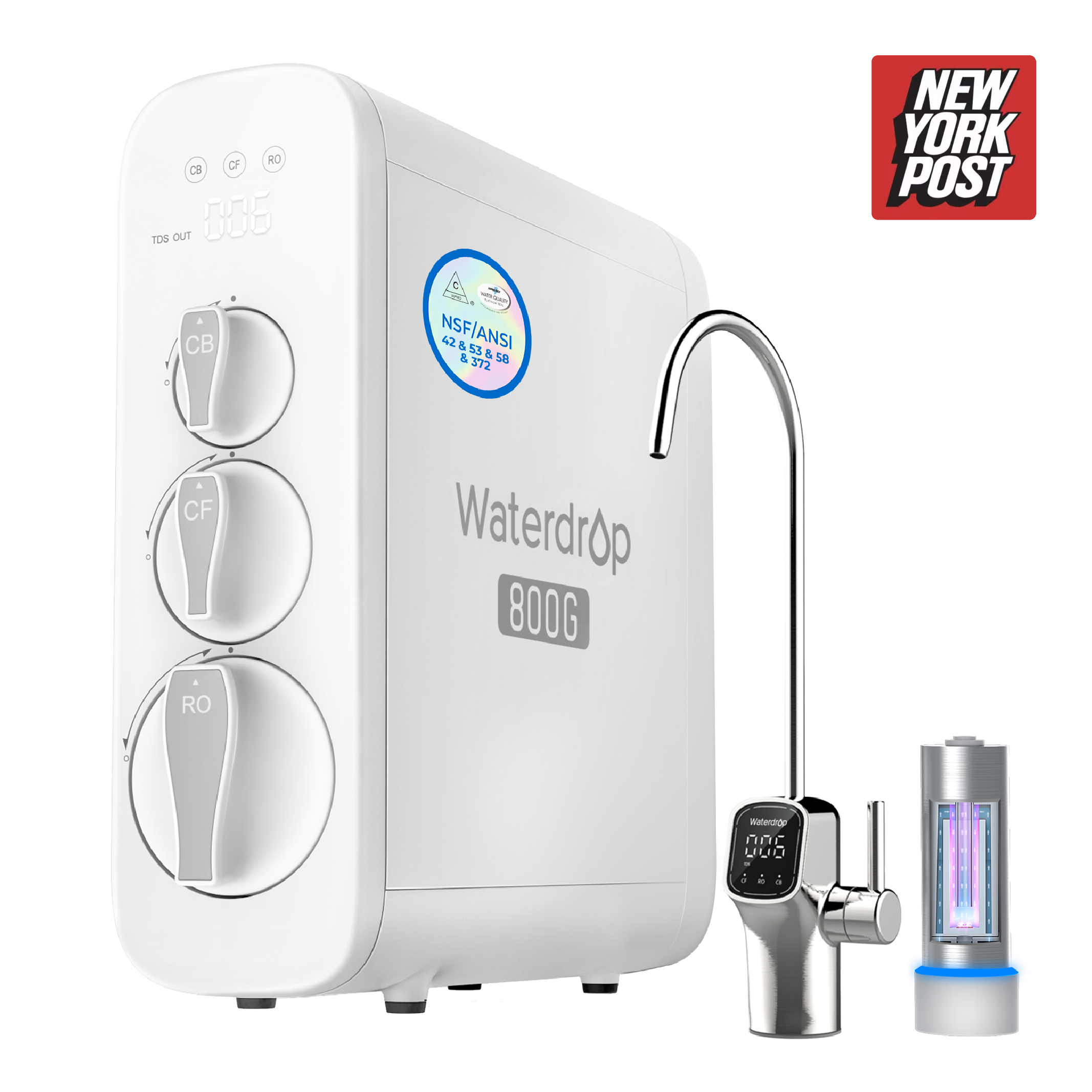 Under-sink RO
G3P800 Reverse Osmosis System
A premium tankless reverse-osmosis choice for households that want strong flow, a compact cabinet footprint, and a modern faucet display.
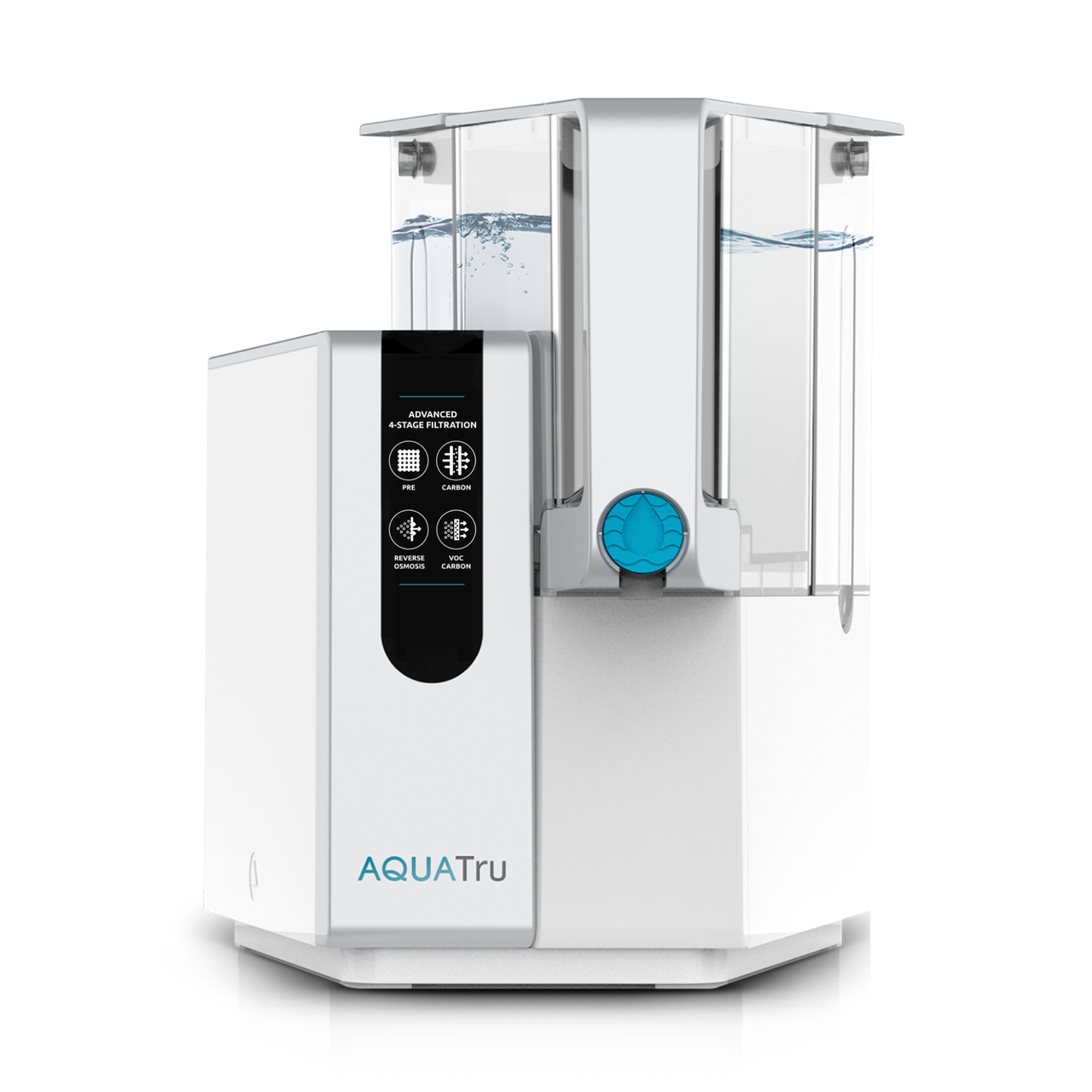 Countertop RO
Classic Countertop Purifier
A countertop reverse-osmosis option for people who want strong purification without modifying plumbing.
 Whole house
CF1 Whole House Water Filter
A point-of-entry approach for homeowners who want treated water at showers, sinks, laundry, and appliances rather than only at a drinking faucet.
RCC7 5-Stage Reverse Osmosis System
A conventional under-sink RO layout that prioritizes proven simplicity, widely available replacement filters, and value.
 Countertop RO
RO100ROPOT Countertop Reverse Osmosis System
A plug-in countertop RO format that emphasizes easy setup, portability, and a glass clean-water carafe.
 Under-sink RO
ROES-50 Reverse Osmosis System
A straightforward traditional RO system for shoppers who prefer a familiar tank-based design and simple maintenance schedule.
Frequently asked questions about deionized water
What is the main purpose of deionized water?
Its purpose depends on the exact technology, but this guide focuses on removing dissolved ions with exchange resins for very low conductivity water. Start with water testing or a utility report when the decision involves a specific contaminant.
Which treatment methods are commonly used?
Common approaches include cation exchange, anion exchange, mixed-bed deionization, RO pretreatment. They are not interchangeable, so compare the mechanism with the condition you need to address.
What should I test before buying?
The useful test depends on the source water. Relevant measurements can include dissolved ionic minerals, conductivity, silica with appropriate resin design. Private wells generally require a different testing plan from treated municipal water.
How do I compare two products fairly?
Use the same criteria for both products: feed-water TDS, resin capacity, conductivity target, regeneration or cartridge replacement, RO pretreatment, intended use. Also compare replacement cost and the exact certification claims for the model number.
Does a higher Amazon rating mean better purification?
For deionized water, no. Ratings can be useful for ownership experience, but they do not independently verify contaminant reduction. This site keeps marketplace qualification separate from technical and editorial evaluation.
How often should filters or media be replaced?
For deionized water, follow the exact manufacturer's schedule and adjust for source-water loading where the documentation allows it. A calendar interval alone may be misleading when sediment, hardness, or contaminant load is unusually high.
Is professional installation necessary?
For deionized water, it depends on the equipment. Simple countertop and pitcher products are usually straightforward, while whole-house plumbing, UV reactors, drains, pumps, and pressure-sensitive membrane systems may justify professional installation.
What does certification tell me?
For deionized water, certification can verify specific performance claims under a defined standard and test condition. Check the exact model and the exact contaminant claim rather than relying only on a certification logo.
What is the biggest buying mistake?
For deionized water, the biggest mistake is buying a technology before identifying the problem. A system can be well made and still be the wrong treatment for the water in question.
How should I compare annual cost?
For deionized water, add replacement filters or media, membranes, electricity, salt or regenerant where applicable, professional service, and estimated water waste. Compare at least a three-year ownership period.
Can one system solve every water problem?
For deionized water, usually not. Multi-barrier designs can address several conditions, but different contaminants require different mechanisms. Complex well water may need multiple treatment stages.
When should I use a laboratory?
For deionized water, use a qualified laboratory when health-related contaminants are suspected, when private-well safety is being assessed, or when a treatment decision depends on a concentration that consumer screening cannot reliably quantify.
Decision scenarios
This category becomes much easier to compare when treatment goals, installation limits, and ongoing maintenance are separated. For deionized water, the central use case is removing dissolved ions with exchange resins for very low conductivity water. Common approaches include cation exchange, anion exchange, mixed-bed deionization, and RO pretreatment. Depending on the water source and exact equipment, relevant concerns can include dissolved ionic minerals, conductivity, and silica with appropriate resin design. That distinction matters because two systems that look similar can have very different treatment capabilities. A serious comparison should therefore examine feed-water TDS, resin capacity, conductivity target, regeneration or cartridge replacement, RO pretreatment, and intended use. For a small apartment, the decision should be narrowed by feed-water TDS and conductivity target. Treat customer ratings as ownership feedback, not as proof of contaminant removal. Before buying, write down the replacement schedule and current price of every consumable so the first three years can be compared on the same basis. The relevant treatment concern in this scenario is often dissolved ionic minerals, but the actual water result should determine the final equipment choice.
Home water treatment works best when the technology is chosen for a measured or documented condition instead of a broad promise of cleaner water. For deionized water, the central use case is removing dissolved ions with exchange resins for very low conductivity water. Common approaches include cation exchange, anion exchange, mixed-bed deionization, and RO pretreatment. Depending on the water source and exact equipment, relevant concerns can include dissolved ionic minerals, conductivity, and silica with appropriate resin design. It also prevents shoppers from paying for features that do not address the condition they actually have. A serious comparison should therefore examine feed-water TDS, resin capacity, conductivity target, regeneration or cartridge replacement, RO pretreatment, and intended use. For a family home, the decision should be narrowed by resin capacity and regeneration or cartridge replacement. For contaminant-reduction claims, use the exact model number and confirm the relevant independent certification or performance documentation before purchase. Availability of replacement parts matters as much as the original machine because treatment performance declines when maintenance is delayed. The relevant treatment concern in this scenario is often conductivity, but the actual water result should determine the final equipment choice.
The practical question is not whether a system sounds advanced, but whether its treatment mechanism fits the water entering the home. For deionized water, the central use case is removing dissolved ions with exchange resins for very low conductivity water. Common approaches include cation exchange, anion exchange, mixed-bed deionization, and RO pretreatment. Depending on the water source and exact equipment, relevant concerns can include dissolved ionic minerals, conductivity, and silica with appropriate resin design. Once that is clear, capacity, maintenance, and ownership cost become much easier to evaluate. A serious comparison should therefore examine feed-water TDS, resin capacity, conductivity target, regeneration or cartridge replacement, RO pretreatment, and intended use. For a private well property, the decision should be narrowed by conductivity target and RO pretreatment. A certification to one standard does not automatically mean that every possible contaminant covered somewhere in that standard is reduced by that product. Ownership cost includes replacement cartridges, membranes or media, sanitation, possible professional service, electricity where required, and any water sent to drain. The relevant treatment concern in this scenario is often silica with appropriate resin design, but the actual water result should determine the final equipment choice.
A useful way to approach this topic is to start with the water problem rather than the product label. For deionized water, the central use case is removing dissolved ions with exchange resins for very low conductivity water. Common approaches include cation exchange, anion exchange, mixed-bed deionization, and RO pretreatment. Depending on the water source and exact equipment, relevant concerns can include dissolved ionic minerals, conductivity, and silica with appropriate resin design. The next step is to verify the exact model rather than assuming every product in a family has the same certification. A serious comparison should therefore examine feed-water TDS, resin capacity, conductivity target, regeneration or cartridge replacement, RO pretreatment, and intended use. For a older home with legacy plumbing, the decision should be narrowed by regeneration or cartridge replacement and intended use. Marketplace descriptions can change, so the current listing, manufacturer documentation, and certification database should agree on the model being considered. The purchase price is only the first line of the budget; consumables and service intervals often determine the better long-term value. The relevant treatment concern in this scenario is often dissolved ionic minerals, but the actual water result should determine the final equipment choice.
The strongest buying decision begins with source-water evidence, not the number of stages printed on a box. For deionized water, the central use case is removing dissolved ions with exchange resins for very low conductivity water. Common approaches include cation exchange, anion exchange, mixed-bed deionization, and RO pretreatment. Depending on the water source and exact equipment, relevant concerns can include dissolved ionic minerals, conductivity, and silica with appropriate resin design. This is especially important when a claim involves a health-related contaminant rather than taste, odor, or convenience. A serious comparison should therefore examine feed-water TDS, resin capacity, conductivity target, regeneration or cartridge replacement, RO pretreatment, and intended use. For a high-demand kitchen, the decision should be narrowed by RO pretreatment and feed-water TDS. If the water issue has a health implication, laboratory testing and qualified professional advice can be more important than any online comparison. A lower-priced system can become expensive if cartridges have short life in the local water, while a higher-priced unit may be economical when media life is long and replacement parts are easy to source. The relevant treatment concern in this scenario is often conductivity, but the actual water result should determine the final equipment choice.
This category becomes much easier to compare when treatment goals, installation limits, and ongoing maintenance are separated. For deionized water, the central use case is removing dissolved ions with exchange resins for very low conductivity water. Common approaches include cation exchange, anion exchange, mixed-bed deionization, and RO pretreatment. Depending on the water source and exact equipment, relevant concerns can include dissolved ionic minerals, conductivity, and silica with appropriate resin design. That distinction matters because two systems that look similar can have very different treatment capabilities. A serious comparison should therefore examine feed-water TDS, resin capacity, conductivity target, regeneration or cartridge replacement, RO pretreatment, and intended use. For a rental property, the decision should be narrowed by intended use and resin capacity. Treat customer ratings as ownership feedback, not as proof of contaminant removal. Before buying, write down the replacement schedule and current price of every consumable so the first three years can be compared on the same basis. The relevant treatment concern in this scenario is often silica with appropriate resin design, but the actual water result should determine the final equipment choice.
Home water treatment works best when the technology is chosen for a measured or documented condition instead of a broad promise of cleaner water. For deionized water, the central use case is removing dissolved ions with exchange resins for very low conductivity water. Common approaches include cation exchange, anion exchange, mixed-bed deionization, and RO pretreatment. Depending on the water source and exact equipment, relevant concerns can include dissolved ionic minerals, conductivity, and silica with appropriate resin design. It also prevents shoppers from paying for features that do not address the condition they actually have. A serious comparison should therefore examine feed-water TDS, resin capacity, conductivity target, regeneration or cartridge replacement, RO pretreatment, and intended use. For a seasonal cabin, the decision should be narrowed by feed-water TDS and conductivity target. For contaminant-reduction claims, use the exact model number and confirm the relevant independent certification or performance documentation before purchase. Availability of replacement parts matters as much as the original machine because treatment performance declines when maintenance is delayed. The relevant treatment concern in this scenario is often dissolved ionic minerals, but the actual water result should determine the final equipment choice.
The practical question is not whether a system sounds advanced, but whether its treatment mechanism fits the water entering the home. For deionized water, the central use case is removing dissolved ions with exchange resins for very low conductivity water. Common approaches include cation exchange, anion exchange, mixed-bed deionization, and RO pretreatment. Depending on the water source and exact equipment, relevant concerns can include dissolved ionic minerals, conductivity, and silica with appropriate resin design. Once that is clear, capacity, maintenance, and ownership cost become much easier to evaluate. A serious comparison should therefore examine feed-water TDS, resin capacity, conductivity target, regeneration or cartridge replacement, RO pretreatment, and intended use. For a household focused on long-term operating cost, the decision should be narrowed by resin capacity and regeneration or cartridge replacement. A certification to one standard does not automatically mean that every possible contaminant covered somewhere in that standard is reduced by that product. Ownership cost includes replacement cartridges, membranes or media, sanitation, possible professional service, electricity where required, and any water sent to drain. The relevant treatment concern in this scenario is often conductivity, but the actual water result should determine the final equipment choice.